Guide to Rubbish Removal Uxbridge High Street UB8
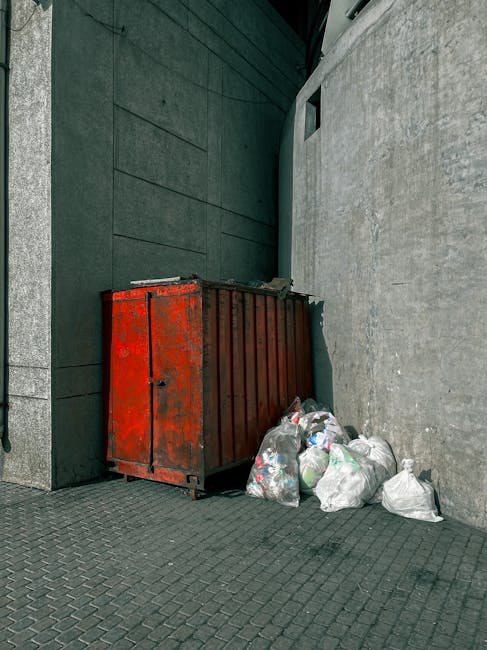
If you are dealing with unwanted rubbish on Uxbridge High Street, you probably want one thing above all else: a fast, sensible way to get it gone without creating another headache. That might mean a single awkward item, a full shop or office clear-out, builders' rubble after a refit, or the kind of mixed junk that seems to multiply overnight. This Guide to Rubbish Removal Uxbridge High Street UB8 breaks the process down in plain English so you can choose the right disposal method, avoid common mistakes, and keep things simple from the first call to the final sweep-up.
In a busy high street setting, timing matters. So does access. So does not blocking the pavement with a pile of old fittings at 8am on a weekday, which, let's face it, would annoy everyone. Below you will find a practical, local-focused guide covering how rubbish removal works, when skip hire makes more sense than a man-and-van collection, what to check before booking, and how to keep disposal safe, legal, and cost-effective.
Why Guide to Rubbish Removal Uxbridge High Street UB8 Matters
Rubbish removal on or near a high street is not the same as clearing a quiet residential driveway. Uxbridge High Street has the usual mix of foot traffic, deliveries, parking restrictions, and tight turning spaces. That changes the job. A collection that would be straightforward elsewhere can become awkward if access is limited, waste needs to be carried a long way, or business hours mean you need everything done before opening time.
This matters for several reasons. First, waste left too long becomes a nuisance. It can block entrances, attract complaints, and make a premises look neglected. Second, the wrong disposal method can cost more than you expected. Third, some materials need special handling, and mixing them in with general waste is asking for trouble. A good plan saves time, keeps you compliant, and avoids those small disasters that always seem to happen at the worst moment.
For local businesses, landlords, homeowners, and contractors, the bigger issue is usually efficiency. You want a service that fits the site, not the other way around. That is why many people compare professional rubbish removal with skip hire or even wait-and-load skip hire before they book anything.
Expert summary: On a busy high street, the best rubbish removal option is rarely the cheapest on paper. It is the one that fits the access, the timetable, and the waste type without causing delays.
How Guide to Rubbish Removal Uxbridge High Street UB8 Works
At a practical level, rubbish removal is about loading waste, transporting it safely, and sending it to the correct facility for processing or recycling. The details vary depending on the service you choose. A man-and-van collection is usually ideal for smaller loads, mixed household rubbish, or a quick clear-out with minimal fuss. Skip hire is better if you want to fill waste gradually. Grab hire works well for bulky piles or heavier materials, especially where manual carrying would be slow or awkward.
Here is how the process usually unfolds:
- You describe the waste - what it is, roughly how much there is, and where it is located.
- The provider advises the best method - for example, man and van, grab hire services, or a standard skip solution.
- Access is checked - narrow roads, loading bay rules, parking availability, and whether the waste has to be carried through a building.
- A booking is made - sometimes same day, sometimes planned in advance depending on urgency.
- Waste is collected or loaded - with care taken over sharp, heavy, dusty, or awkward items.
- Sorting and disposal follow - reusable and recyclable material should be separated where possible.
If you are dealing with construction debris, the job can be more specialised. In those cases, people often look at builders waste removal or construction waste disposal, because rubble, plasterboard, timber, and packaging may need different handling than household junk. Not glamorous, no. Necessary, absolutely.
For one-off clearances, the main decision is usually speed versus capacity. If you only have a few bulky pieces, a fast collection may be enough. If the rubbish is growing by the day, a skip or grab truck can be far more practical.
Key Benefits and Practical Advantages
The right rubbish removal setup gives you more than a tidy space. It reduces stress, saves working hours, and helps you avoid the "we'll sort it later" pile that somehow becomes permanent. In a commercial setting, that pile is usually sitting next to the back entrance and getting in everyone's way. Charming.
- Fast clearance: Useful when you need a shop floor, office, yard, or flat cleared quickly.
- Less manual effort: Heavy lifting is handled properly, which reduces injury risk and disruption.
- Better site presentation: A clean frontage matters on a high street where first impressions count.
- Flexible solutions: You can choose between skip hire, wait-and-load, grab hire, or a direct collection.
- Improved recycling outcomes: Good operators sort waste responsibly instead of just dumping everything together.
There is also a practical compliance benefit. A reputable waste carrier should know how to handle different waste streams, including awkward items like appliances, mattresses, confidential papers, and green waste. If the job includes specialist waste, it is worth checking related services such as fridge and appliance removal, mattress and sofa disposal, or confidential shredding.
On the customer side, the biggest advantage is peace of mind. You do not need to second-guess whether the pile in your garden, office, or forecourt is going to become an ongoing problem. It gets handled. Properly.
Who This Is For and When It Makes Sense
This guide is relevant to a surprisingly wide group of people. Rubbish removal on Uxbridge High Street UB8 can make sense for local residents, landlords, retailers, restaurant owners, office managers, tradespeople, and anyone inheriting a property with more clutter than they bargained for.
It is especially useful if you are:
- clearing a flat after a tenancy ends
- replacing old fixtures in a shop or cafe
- disposing of packaging, offcuts, and rubble after building work
- emptying a loft, garage, or storage room
- managing waste after a house move or refurbishment
- preparing a property for sale or letting
- dealing with mixed bulky items that do not fit in normal bins
If the job is domestic, a service such as domestic skip hire may suit you better than repeated small loads. If it is a business property, commercial skip hire or a scheduled collection may be the cleaner fit. For property clearances, a visit to house clearance, office clearance, or garage and loft clearance may also be worth considering.
Truth be told, the biggest clue is often volume. If you are looking at just a few items, direct removal may be easiest. If you can already see three or four separate piles forming, you are probably in skip territory.
Step-by-Step Guidance
Here is a straightforward way to approach rubbish removal without overcomplicating it. It does not have to be a saga.
- Identify the waste type. Separate general rubbish, recyclables, wood, soil, rubble, metals, and anything hazardous.
- Estimate the volume. A small van load, half a load, or a full clear-out all point to different solutions.
- Check access carefully. Think about stairways, tight lanes, parking restrictions, loading windows, and lift availability.
- Decide whether the waste will be loaded once or over time. If you need flexibility, skip hire or same day skip hire can be more practical.
- Ask about restricted items. Some waste streams cannot go in general collections and may need specialist handling.
- Book the service with a realistic timeframe. Rushed jobs are fine if the company offers them, but only if access and waste type are clear.
- Prepare the area. Move valuables, clear a route, and stack items so loading is safe and efficient.
- Confirm disposal expectations. A responsible provider should be clear about recycling, transfer, and any excluded items.
If you are unsure whether a skip suits the job, what can go in a skip is a useful starting point. For places where a skip would obstruct access or attract extra hassle, a wait-and-load skip hire option can be a neat compromise: the vehicle arrives, waste is loaded promptly, and then it is gone.
Small detail, but important: if your waste includes heavy materials, avoid overestimating what one person can safely lift. You do not need a heroic back injury to prove a point.
Expert Tips for Better Results
A bit of planning goes a long way. In our experience, the jobs that go smoothly usually have two things in common: the waste is separated sensibly and the access is checked before anyone arrives.
- Group similar materials together. Mixed waste can be harder to sort and may affect cost.
- Keep hazardous items separate. Paints, solvents, oils, batteries, and chemicals need special attention.
- Take photos before you book. Even a quick phone snap helps the provider judge volume and access.
- Measure your space. A narrow forecourt or shared loading bay can influence the best option.
- Plan for quieter times where possible. Early morning or off-peak slots can reduce disruption on a busy street.
- Use the right service for the load. A small clear-out does not need a huge vehicle, and a major strip-out should not rely on multiple tiny trips if it can be avoided.
For heavier or mixed loads, grab lorry hire is often overlooked, but it can be a strong choice when waste is piled in one place and needs lifting quickly. For enclosed sites or higher-value waste, an enclosed and lockable skip hire option can give extra reassurance.
A good tip that people miss: keep one small bag or box aside for anything you are not sure about. It saves the "wait, is this allowed?" panic when the team turns up.
Common Mistakes to Avoid
Most rubbish removal problems are avoidable. The usual culprits are surprisingly simple, which is annoying in a very human way.
- Mixing everything together: That makes sorting harder and can create compliance issues.
- Underestimating access problems: A vehicle may not be able to stop where you think it can.
- Ignoring permit needs: If a skip must go on the public highway, permits may be needed. The details can vary, so do not guess.
- Leaving the booking until the last minute: Especially risky during busy periods or if you need same-day collection.
- Forgetting about specialist items: White goods, mattresses, and confidential paperwork are easy to overlook.
- Choosing price alone: Cheap is not always cheap once delays, failed collections, or extra handling are added in.
If permits are relevant, look into skip hire permits or skip permits before a skip is delivered. And if you are working around a live business frontage, think carefully about whether site clearance or a targeted collection will reduce disruption better than a standard drop-off.
One small human truth: people often remember to clear the big stuff and forget the cable ties, loose screws, broken glass, and one half-full paint tin hidden at the back. It happens. More than you'd think.
Tools, Resources and Recommendations
You do not need a van full of tools to organise rubbish removal, but a few basics help. A tape measure, sturdy gloves, bin bags or builders' sacks, and a phone camera are often enough to make the whole process less chaotic. If the space is cramped, a dolly trolley or sack truck can help move smaller items safely.
In terms of services, it helps to match the job to the waste:
- Man and van for smaller or mixed loads
- Grab hire services for bulky waste piles and heavier materials
- Builders skip hire for renovation and trade waste
- Garden waste removal for green waste and outdoor clearances
- Muck away services for soil, hardcore, and excavation spoil
For businesses handling confidential papers or office clean-outs, the safer route may include confidential shredding alongside office clearance. For mixed domestic jobs, a combination of house clearance and domestic skip hire can be efficient.
If you want to compare likely costs and waste-handling options before committing, skip sizes and prices and pricing and quotes are useful references. And if sustainability matters to your business or household, the recycling and sustainability page is worth a look.
Law, Compliance, Standards, or Best Practice
Rubbish removal is not just about getting rid of things. In the UK, it also means handling waste responsibly, using a lawful carrier, and making sensible decisions about segregation and disposal. You do not need to be a compliance specialist, but you do need to know enough to avoid dodgy shortcuts.
Good practice usually includes the following:
- making sure the waste is collected and transported by a suitable operator
- keeping hazardous items separate from general rubbish
- avoiding overfilled skips or unsafe loading
- checking whether any public highway placement needs a permit
- ensuring the site remains safe for pedestrians, staff, and visitors
For construction and demolition work, compliance matters even more because the waste stream may include rubble, timber, metal, plasterboard, and other materials that are often better separated. That is where construction waste clearance and demolition waste removal become useful options rather than generic add-ons.
If there is any doubt about a hazardous load, do not guess. Use a specialist route such as hazardous waste disposal. That is one of those cases where caution is not overkill; it is just good sense.
And yes, paperwork matters too. Terms, payment, safety, and complaints procedures may not be exciting, but they are part of a trustworthy service. It helps to know there are published details for terms and conditions, payment and security, health and safety policy, and insurance and safety.
Options, Methods, or Comparison Table
Choosing the right approach usually comes down to access, waste volume, and how quickly you need the job finished. The table below gives a simple side-by-side view.
| Method | Best for | Main advantage | Watch out for |
|---|---|---|---|
| Rubbish removal / man and van | Small to medium mixed loads, quick clear-outs | Fast, flexible, little on-site hassle | May not suit very bulky or heavy loads |
| Skip hire | Ongoing clearances, home refurbishments, trade waste | Load gradually at your own pace | Needs space and may need a permit |
| Wait-and-load | Busy high street sites with limited parking | No long-term skip on site | Loading must be organised and quick |
| Grab hire | Bulk waste, soil, hardcore, material stored in one place | Efficient for heavy or awkward piles | Needs enough access for the grab vehicle |
If you are unsure which one fits, think about the shape of the job, not just the amount. A scattered office declutter feels very different from a neat pile of rubble. That difference matters more than people realise.
Case Study or Real-World Example
Picture a small business on Uxbridge High Street preparing for a refresh before the weekend rush. They have old shelving, cardboard, display materials, a broken chair, and a couple of awkward appliance-sized items from the back room. The team cannot afford a messy frontage, and there is not enough room to leave a skip outside for days.
In that sort of case, a direct collection or wait-and-load approach is often the cleanest answer. The waste is sorted into manageable groups before the crew arrives. Anything needing special handling, like a small fridge or confidential paperwork, is separated first. The collection happens quickly, the pavement is not cluttered, and the shop can reopen without that "we're still dealing with the mess" feeling hanging over the place.
Now compare that with a domestic clearance in a nearby flat above a shop. There might be old furniture, a mattress, bags of clothes, and loft clutter gathered over years. A mattress and sofa disposal service, alongside a broader house clearance or garage and loft clearance, can simplify that sort of job hugely.
The real lesson? There is no single perfect waste solution. There is only the right one for the space, the timetable, and the type of mess in front of you.
Practical Checklist
Use this quick checklist before booking anything. It saves time later, and a bit of sanity too.
- Identify the waste type and separate hazardous items
- Estimate the load size as accurately as you can
- Check whether access is tight, restricted, or time-limited
- Decide whether you need same-day, next-day, or scheduled collection
- Confirm whether a skip, wait-and-load, man-and-van, or grab service fits best
- Review permit needs if any part of the job sits on public land
- Keep doors, paths, and loading routes clear
- Set aside any confidential or special items for separate handling
- Ask about recycling and disposal expectations
- Keep your booking details, quote, and service terms in one place
If you are ready to move from planning to action, you can also use book online when the job is clear and you want a straightforward next step. And if the issue is more about understanding service options than booking immediately, about us can help you get a feel for the company behind the service.
Conclusion
Rubbish removal on Uxbridge High Street UB8 is all about fitting the disposal method to the reality of the site. Busy street, limited access, mixed waste, and tight time windows all call for a practical approach rather than a one-size-fits-all answer. Once you understand the basics, the choice becomes much easier: direct rubbish removal for smaller loads, skip hire for ongoing jobs, grab hire for bulky material, or wait-and-load when space is tight.
The best outcomes come from simple preparation: know your waste, check your access, separate the tricky items, and choose a provider that takes compliance and recycling seriously. Not every job needs a complicated plan, but every job does need a sensible one. That is the bit people remember after the dust settles.
Get a free quote today and see how much you can save.
And if you are still weighing up your options, take your time. A clear space is useful, but a clear head is even better.
Frequently Asked Questions
What is the best rubbish removal option for Uxbridge High Street UB8?
The best option depends on access, waste type, and how much you need cleared. For small to medium mixed loads, rubbish removal or a man-and-van service is often the easiest. For ongoing work, skip hire or grab hire may be more efficient.
Can I get same-day rubbish removal?
Sometimes, yes. If the provider has availability and the access details are clear, same day skip hire or a rapid collection may be possible. It is best to ask early in the day if timing is tight.
Do I need a permit for a skip on the street?
If a skip is placed on public land, a permit may be required. The exact arrangement depends on where the skip sits and local rules. If you are unsure, check permit requirements before booking so the collection is not delayed.
What waste can go in a skip?
That depends on the skip type and the waste carrier's rules. General household waste, wood, rubble, and many renovation materials are commonly accepted, but hazardous items and some specialist materials are not. The safest approach is to check what can go in a skip first.
Is grab hire better than a skip for commercial properties?
It can be. Grab hire is often more efficient for bulky waste piles or heavy materials, especially where access is reasonable but space is limited. A skip may still be better if you want to load waste gradually over time.
How do I get rid of old furniture or a sofa?
For bulky items like sofas, a dedicated collection is usually simplest. You can also combine it with a broader property clearance. For specific items, mattress and sofa disposal is a handy option to consider.
What should I do with fridge or appliance waste?
Appliances should be handled carefully because they may contain materials that need special disposal. A targeted service such as fridge and appliance removal is usually the better route than putting them in with mixed rubbish.
Is rubbish removal suitable for office clear-outs?
Yes, especially when you need desks, chairs, storage units, cables, and paperwork cleared in one coordinated move. For larger jobs, office clearance and confidential shredding can work well together.
How can I keep costs under control?
Separate waste where possible, estimate the volume honestly, choose the right service first time, and avoid failed collections caused by poor access or unclear details. Comparing skip sizes and prices can also help you choose a sensible option.
What happens to my waste after collection?
Responsibly managed waste should be sorted and taken to appropriate facilities for reuse, recycling, or disposal. Mixed loads may need more sorting than separated waste, which is why good preparation can make a difference.
Can I book rubbish removal for garden waste or soil?
Yes. Garden waste, soil, and excavation material are often handled through specialised services such as garden waste removal or muck away services, depending on the material and quantity.
What if I only have a few items?
If the load is small, a quick man-and-van style collection may be the most efficient option. You do not need to book a large solution for a few bags and a chair that has clearly seen better days.
How do I know a service is trustworthy?
Look for clear service information, sensible waste handling guidance, transparent pricing, and published policies on safety and security. Pages such as insurance and safety and payment and security help build that trust.
Where can I get help if my job is more complex than expected?
If the waste is mixed, bulky, or partly hazardous, speak to a provider early and explain the site access clearly. For more complex projects, services like site clearance or construction waste clearance may be the best fit.