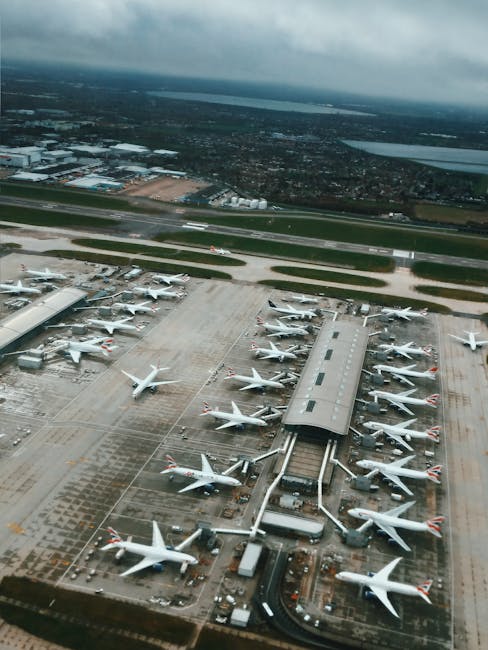
Heathrow Terminal Rubbish Clearance for Flight Prep Teams
If you work on aircraft turnarounds, cabin readiness, or terminal-side prep, you already know this: rubbish has a habit of building up at the worst possible moment. One abandoned catering crate, a stack of broken packaging, a pallet wrap tangle, and suddenly the space you need for a clean, calm handover feels cramped and messy. Heathrow Terminal Rubbish Clearance for Flight Prep Teams is really about keeping those critical areas clear, safe, and ready on time.
This guide explains how terminal rubbish clearance works in practice, why it matters so much for flight prep, and how teams can choose the right removal method without slowing the operation down. We will also cover compliance, useful planning tips, common mistakes, and a practical checklist you can use before the next turnaround. If you need a broader waste partner for commercial operations, the team's commercial skip hire and waste recycling services can sit neatly alongside airport-side clearance planning.
Table of Contents
- Why Heathrow Terminal Rubbish Clearance for Flight Prep Teams Matters
- How Heathrow Terminal Rubbish Clearance for Flight Prep Teams Works
- Key Benefits and Practical Advantages
- Who This Is For and When It Makes Sense
- Step-by-Step Guidance
- Expert Tips for Better Results
- Common Mistakes to Avoid
- Tools, Resources and Recommendations
- Law, Compliance, Standards, or Best Practice
- Options, Methods, or Comparison Table
- Case Study or Real-World Example
- Practical Checklist
- Conclusion
- Frequently Asked Questions
Why Heathrow Terminal Rubbish Clearance for Flight Prep Teams Matters
At Heathrow, time and space are both expensive. Flight prep teams work in a narrow window, often with multiple contractors, airline staff, cleaning teams, catering crews, and security protocols all happening at once. If rubbish is left where it should not be, the impact is immediate: blocked walkways, slower cabin checks, trip hazards, poor presentation, and a lot more back-and-forth than anyone wants on a tight turnaround.
There is also the less obvious side of it. Waste is not just "mess". It can hide damaged equipment, create contamination risks around catering stock, and make it harder to spot issues during final checks. A neat work area helps people think clearly. Sounds simple, but it really does matter.
In an airport environment, clearance work also has to respect access rules, security limits, and vehicle timing. That is why flight prep teams usually need a waste process that is quick, predictable, and tailored to operational space rather than a generic van-and-bin approach. For larger clear-outs or end-of-project terminal work, services like site clearance and construction waste clearance can be useful adjacent services, especially where preparation areas have gathered mixed debris.
Practical summary: if rubbish clearance is treated as a side task, it becomes a delay. If it is built into the turnaround plan, it becomes one of the easiest ways to protect pace, safety, and presentation.
How Heathrow Terminal Rubbish Clearance for Flight Prep Teams Works
The process is usually less dramatic than people imagine. In most cases, a flight prep team identifies the waste type, isolates what can be removed, chooses the most suitable collection method, and schedules removal in a way that matches the terminal's access window. The job might take place after catering drop-off, after cabin dressing, or during a short lull before passenger boarding begins.
What gets cleared can vary a lot. Typical examples include packaging film, cardboard, disposable wrap, broken consumables, old stock containers, cleaning waste, minor damaged fixtures, and mixed non-hazardous rubbish from temporary prep zones. Some teams also need removal for items such as worn mats, broken trolley components, or redundant office materials from support rooms. If you are dealing with more general end-of-area waste, rubbish removal or man and van support can be helpful where access and volume are moderate.
Airport clearance is usually planned around the realities of the terminal. That means tight vehicle movements, controlled loading points, and the need to keep noise and congestion low. A good provider should understand that you are not looking for a leisurely collection. You need the rubbish gone, quietly and properly, without turning the apron-side or terminal-side area into a small traffic jam. To be fair, nobody has time for that.
Where rubbish needs to be removed from a location with minimal waiting time, wait and load skip hire can be a practical option. If the task involves a same-shift issue and the clock is already working against you, same day skip hire may also be worth considering, depending on access and the waste stream.
Key Benefits and Practical Advantages
When rubbish clearance is set up properly, the benefits go well beyond "looking tidy". In a terminal setting, it can shape the whole rhythm of the work.
- Faster turnarounds: clear workspaces help teams move from one prep stage to the next without stopping to shift waste out of the way.
- Better safety: fewer obstructions means fewer slips, trips, and awkward lifts in confined spaces.
- Cleaner visual presentation: airline clients, supervisors, and passengers notice the difference, even if they never say it out loud.
- Lower contamination risk: waste kept separate is easier to sort, recycle, or dispose of correctly.
- Less operational stress: when rubbish is handled on time, the team can focus on checklists instead of clutter.
- Smarter use of space: in terminal prep zones, floor space disappears quickly. Waste removal gives it back.
There is also a planning benefit. Once teams know the likely waste volume and type, they can choose better methods for future shifts. That reduces last-minute guessing. And yes, guessing is usually how waste problems get more annoying than they need to be.
If your operation regularly generates mixed commercial waste, it is worth looking at skip sizes and prices early in the planning stage, because the wrong size often creates more handling than the rubbish itself.
Who This Is For and When It Makes Sense
This kind of clearance is most relevant for people working close to the flight readiness process. That includes cabin prep teams, cleaning supervisors, catering support crews, turnaround coordinators, airport operations teams, and facilities managers responsible for terminal-side spaces.
It makes sense in several common situations:
- after a heavy inbound service where packaging and disposables have piled up
- during seasonal peaks when terminal activity increases and bins fill faster than usual
- before inspections, audits, or client walkthroughs
- after refurbishments, maintenance work, or temporary fit-outs in support areas
- when existing waste points are no longer coping with the volume
Sometimes the need is obvious. A back corridor is full of boxes, and the team can barely move a trolley through it. Sometimes it is more subtle. The waste is contained, but the space feels tighter, workflows slow by a few minutes, and everyone starts doing that little sidestep around the same pile. That is usually your sign.
For teams managing offices or support spaces connected to prep activity, office clearance may also be relevant. For mixed, bulky items, grab hire services can suit projects where access is awkward and loading by hand would be a hassle.
Step-by-Step Guidance
A straightforward process saves time. Here is the approach that tends to work best in live operational settings.
- Map the waste source. Identify exactly where rubbish is coming from: cabin dressing, catering, maintenance, admin support, or temporary storage.
- Separate waste by type. Keep general waste, cardboard, plastics, appliances, confidential papers, and any suspect items apart from the start.
- Check access limitations. Note vehicle entry points, loading windows, lift restrictions, and any areas where movement is sensitive.
- Choose the disposal method. Decide whether you need a skip, wait-and-load, a man-and-van collection, or something more controlled.
- Plan the handover window. Align clearance with the prep schedule so the collection team arrives when waste is ready, not before.
- Confirm acceptable materials. If you are unsure what can go where, review what can go in a skip before anything gets loaded.
- Keep the route clear. Waste should be staged in a place that does not block staff, trolleys, or emergency access.
- Document anything unusual. If there are sensitive items, heavy objects, or problematic waste streams, note them before collection day.
That is the clean version. In real life, there is often a last-minute carton mountain or a trolley wheel stuck in the wrong place. So build in a bit of flex. A 20-minute buffer can save a lot of huffing and puffing later.
One useful rule: if your waste staging area is already messy before collection starts, the job is not staged properly yet.
Expert Tips for Better Results
A few small habits make a big difference in airport waste clearance. None of them are complicated, which is probably why they get missed.
- Use dedicated waste points. Do not let temporary rubbish drift into prep walkways "just for now". That becomes permanent surprisingly quickly.
- Keep cardboard flat. Flattening boxes early saves space and improves loading efficiency.
- Label problem items. If a bag contains sharps, broken glass, or unknown material, do not leave it ambiguous.
- Match the vehicle to the job. Over-specifying wastes money; under-specifying creates repeat collections.
- Book around operational pinch points. Clearance works best when it avoids the busiest handover moments.
- Protect sensitive items. Where documents or confidential support papers are involved, use a controlled route such as confidential shredding.
Another small but important tip: ask the collection team how they prefer the waste to be staged. A few minutes of guidance at the beginning can remove a whole lot of second-guessing. Honestly, it is one of those boring things that saves the day.
If your team often needs sealed or controlled storage before removal, enclosed and lockable skip hire can be a smart fit for higher-traffic environments.
Common Mistakes to Avoid
Most clearance problems are not caused by bad intentions. They happen because teams are rushing, space is tight, or someone assumed "someone else" would deal with the waste. That old classic.
- Leaving waste until the end of the shift. By then, the team is tired and the area is busier.
- Mixing waste streams. Once materials are thrown together, sorting becomes slower and less efficient.
- Ignoring access rules. A perfectly good collection can still fail if the vehicle cannot reach the loading point.
- Overfilling containers. That creates handling issues and can delay collection.
- Using the wrong clearance method. A skip is not always the right answer; sometimes wait-and-load or targeted removal is better.
- Forgetting about restricted items. Appliances, hazardous materials, and certain bulky waste items need separate handling.
One common issue in Heathrow-style terminal work is trying to make rubbish clearance fit around the operation instead of integrating it into the operation. That sounds subtle, but it is the difference between a tidy handover and a messy half-hour scramble. Small difference, big headache.
If hazardous or questionable materials are involved, use proper specialist handling. Do not improvise. hazardous waste disposal is there precisely so teams do not have to guess.
Tools, Resources and Recommendations
You do not need a mountain of equipment to run a good clearance process, but you do need the right basics.
- Heavy-duty waste bags for loose general rubbish and mixed light waste
- Cardboard cutters and tape dispensers to flatten and secure packaging
- Clearly marked bins or cages for separating waste streams
- Gloves and suitable PPE for staff handling sharp or rough materials
- Short loading checklists so nothing important gets missed in the rush
- Communication sheet or handover note for the collection crew
For teams dealing with bulky break-down waste, grab lorry hire can work well when the material is piled awkwardly or needs lifting from a position a skip cannot reach easily. For smaller or more mobile jobs, man and van support may be enough. Each method has its place, and the best one depends on the site layout more than the label on the service.
It is also worth checking the provider's operational values before committing. Pages such as health and safety policy, insurance and safety, and recycling and sustainability give you a clearer picture of how seriously waste is handled beyond the visible pickup.
Law, Compliance, Standards, or Best Practice
For airport and terminal environments, compliance matters because the stakes are higher than in a standard commercial unit. You are usually dealing with controlled access, site-specific health and safety expectations, and duties around correct waste segregation and traceability. The exact requirements depend on the site, the material, and the organisations involved, so it is wise to check local procedures rather than assume one rule fits everything.
As a general best practice, keep waste movements documented, use competent handlers, and make sure no one is disposing of items blindly. That includes making sure potentially sensitive paperwork is managed separately, broken electrical items are treated properly, and waste does not block safety routes.
If a team is arranging disposal from a mixed commercial setting, it helps to review the provider's practical guidance first, especially around skip loading and material restrictions. The page on skip hire and the guidance on what can go in a skip are useful reference points. They will not replace site rules, of course, but they can stop avoidable mistakes.
Best-practice takeaway: if a waste item feels questionable, heavy, sharp, confidential, or awkwardly large, pause and classify it before it enters the main clearance flow.
Options, Methods, or Comparison Table
There is no single best clearance method for every flight prep team. The right choice depends on access, waste volume, time pressure, and how much control you need over the loading process.
| Method | Best for | Strengths | Watch-outs |
|---|---|---|---|
| Skip hire | Regular or larger waste volumes | Simple staging, efficient for mixed loads, good for repeat jobs | Needs space and may need permit or access planning |
| Wait and load | Airside or tight-access areas with short collection windows | No long stationary container, quick turnaround, ideal where waiting is difficult | Needs waste ready to load immediately |
| Man and van | Smaller, targeted clearances | Flexible, handy for awkward spaces and one-off removals | Not ideal for large or bulky volumes |
| Grab lorry | Bulky waste in accessible piles | Fast removal from external or reachable locations | Requires suitable access and waste positioning |
For many flight prep teams, the decision comes down to one question: do we need the waste gone quickly, or do we need it contained for a while first? That single answer often tells you whether to lean towards wait and load skip hire or a more traditional collection setup.
If you expect frequent bursts of waste around peak operations, a regular commercial arrangement may be easier than arranging each clearance ad hoc. That is where commercial skip hire can support a steadier workflow.
Case Study or Real-World Example
Imagine a flight prep team responsible for a busy terminal support area after a series of late-night services. By 6 a.m., the room has a little bit of everything: flattened cartons, food packaging, damaged tote containers, a couple of old office chairs, and a few bags of mixed rubbish that were meant to be removed the previous evening. Nothing dramatic. Just enough clutter to make the room feel smaller and the morning feel longer.
Rather than trying to sort it all at boarding time, the supervisor stages the waste into three groups: cardboard, general rubbish, and bulky items. The team checks access, confirms the collection window, and chooses a method that suits the space. The lighter waste goes first, bulky items are handled separately, and no one has to keep walking around the same pile while doing cabin prep. The whole thing looks calmer within minutes.
The useful lesson here is not that the job was difficult. It was not. The lesson is that clear staging prevented a small, routine waste issue from becoming a turnaround nuisance. That is usually how good clearance works. Quietly. Almost boringly. Which, in airport operations, is exactly what you want.
When the team later needs to clear another support area with mixed materials and limited room, they already know what to do next. That makes future shifts easier, which is the real win.
Practical Checklist
Use this before a clearance job or at the start of a busy shift:
- Identify the waste types present
- Separate recyclable and non-recyclable items where possible
- Remove anything confidential, hazardous, or restricted from the main pile
- Check vehicle access and loading timing
- Confirm whether you need skip hire, wait-and-load, or a smaller collection
- Flatten cardboard and compress light packaging
- Keep routes clear for staff and emergency access
- Make sure waste is staged where the crew can reach it easily
- Review what can go in a skip before loading
- Document any unusual items or site-specific instructions
- Build in a small buffer for operational delays
- Recheck the area after removal so nothing has been missed
If you are dealing with a more disruptive clear-out, a short planning call before the job can save a lot of backtracking. Sometimes that five-minute conversation is the whole trick.
Get a free quote today and see how much you can save.
Conclusion
Heathrow Terminal Rubbish Clearance for Flight Prep Teams is not just about taking waste away. It is about protecting time, keeping people moving safely, and making sure the prep area supports the operation instead of fighting it. When waste is handled in a planned, site-aware way, everything feels smoother. The pace improves, the room looks better, and the team can focus on the actual job at hand.
If you are responsible for flight prep, the smartest move is usually the simplest one: build waste clearance into the workflow before the clutter builds up. Small habit, big difference. And on an airport floor, that difference is felt fast.
For teams that want a better fit for commercial waste handling, it is worth exploring the wider range of support options, from builders skip hire to construction waste disposal where mixed operational debris needs a more structured approach. If you are still deciding, pricing and quotes can help with the next step.
And if all you need is a straightforward conversation about the best fit, you can always start there. Simple, practical, no fuss. That is usually the nicest kind of help.
Frequently Asked Questions
What is Heathrow Terminal Rubbish Clearance for Flight Prep Teams?
It is the organised removal of waste, packaging, and unwanted materials from terminal-side or support areas used by flight prep teams. The aim is to keep spaces clear, safe, and ready for quick operational handovers.
Why is rubbish clearance so important before a flight turnaround?
Because clutter slows people down. It can block routes, create safety risks, and make the area harder to inspect. A clear space supports a cleaner, faster turnaround.
What kinds of waste are usually removed?
Common items include cardboard, plastic wrap, general rubbish, broken packaging, tote waste, minor damaged fittings, and some bulky items from support rooms. Anything hazardous or confidential should be handled separately.
Should flight prep teams use skip hire or wait-and-load?
It depends on space and timing. Skip hire works well for ongoing or larger waste volumes, while wait-and-load is often better when you cannot leave a container on site for long.
Can rubbish be cleared during live terminal operations?
Yes, but it needs careful timing and access planning. In a busy terminal, clearance should fit around the operational window rather than interrupt it.
What happens if waste includes confidential paperwork?
Confidential material should be separated and handled through a secure destruction process, not mixed with general rubbish. That reduces both risk and confusion.
Is it possible to arrange same-day clearance?
In many cases, yes, depending on access, timing, and the type of waste involved. Same-day options can be helpful when clutter suddenly starts affecting the shift.
How do I know what can go in a skip?
Use the provider's guidance before loading anything. The safest approach is to separate questionable items first and check the waste list rather than guessing at the last minute.
Do flight prep teams need special clearance for bulky items?
Often, yes. Bulky items may need separate handling, especially if they are awkward to move or if the site access is limited. A grab lorry or man-and-van service can sometimes be more practical than a standard container.
What is the biggest mistake teams make with rubbish clearance?
Leaving it too late. Waste that is left until the end of the shift tends to slow everything down and gets in the way of the final prep stages. Earlier staging is usually much easier.
How can I make clearance work better for recurring operations?
Build waste management into the routine. Use dedicated waste points, flatten packaging early, keep waste streams separated, and choose a collection method that matches the site layout.
Where should I start if I need a reliable waste plan?
Start with volume, access, and timing. Once you know those three things, the right collection method becomes much easier to choose, and the whole process feels a lot less rushed.